
Iran News: Ultimate Middle East Crisis Guide
Iran News is one of the most urgent topics in global geopolitics today. As conflict escalates across the Middle East, the actions and reactions of Iran, Israel, and the United States shape regional stability and global affairs. Nearly every day, new developments change international relations, economies, and security concerns, making understanding these complex events vital for students of world affairs, news readers, and policymakers alike.
Understanding the Roots of the Iran News Crisis
Historical Background of Iran’s Role
Iran has long been a powerful country in the Middle East based on its size, natural resources, religious influence, and geopolitical position. For centuries, Persia — now modern Iran — held a key strategic location linking East and West.
However, in the late 20th century, the 1979 Islamic Revolution changed Iran’s governance, faith‑based identity, and foreign relations. The revolution overthrew a Western‑aligned monarchy and established the Islamic Republic, shifting the nation’s global positioning and creating long‑term tension with the United States and other powers.
Because religion, politics, and national identity are interconnected in Iran, Iran News often involves complex themes such as sovereignty, ideology, and power rivalry.
Iran’s Political System: A Quick Overview
The Iranian government combines religious leadership with republican institutions. The Supreme Leader holds ultimate power, especially in military and foreign policy decisions. Below that, the President and Parliament operate more like typical government branches, but their authority is still influenced by religious oversight.
This unique structure strongly affects how Iran responds to international pressure and military conflict. For example, national security choices often involve Islamic reasoning as well as political strategy.
Key Players in the Middle East Crisis
Iran and Its Strategic Interests
Iran seeks regional influence through alliances with various groups and states. It supports allied militias and political movements in countries like Iraq, Syria, and Lebanon. These connections create a network that Tehran sees as strength, yet they also escalate tensions with rival countries.
Iran’s nuclear program is another major issue. While Tehran claims peaceful intentions, other governments — especially the United States and Israel — worry that it could develop nuclear weapons. This disagreement fuels distrust and conflict.
United States: Power Projection and Security Goals
The United States has maintained a significant presence in the Middle East for decades. U.S. military bases, political alliances, and economic interests have often brought it into confrontation with Iran.
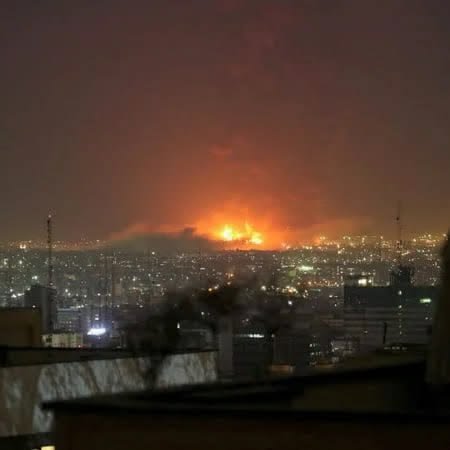
In recent months, the U.S. and Israel have jointly launched military strikes on Iran, reportedly targeting key figures and infrastructure inside the country, including Tehran itself. The attacks have killed senior leaders and civilians, triggering widespread escalation.
Furthermore, U.S. forces have carried out high‑risk operations, such as a recent rescue of an American airman whose F‑15 jet was shot down over Iranian territory — a mission described as daring and intense by U.S. officials.
Israel: National Security and Regional Conflict
Israel holds deep concerns about Iran’s military capabilities, especially related to missiles and potential nuclear weapons. Therefore, Israel has taken action to degrade what it sees as direct threats.
Recently, Israeli forces have expanded military operations into areas like southern Lebanon and conducted airstrikes aimed at Iranian allies, which in turn has widened the conflict zone.
What Recent Iran News Reveals About the Conflict
Current Military Escalation and Actions
Recent Iran News Today shows that the conflict has moved far beyond political rhetoric and isolated military actions. This war has become highly kinetic and widespread, involving direct strikes, retaliation, and regional spillover.
For example, a 48‑hour ultimatum from U.S. leadership demanded that Iran reopen the strategically vital Strait of Hormuz or face intensified consequences, a demand Tehran rejected. In response, Iran launched drone and missile attacks on U.S. bases and infrastructure in nearby Gulf nations, including Bahrain, Kuwait, and the UAE. Many energy facilities have suffered fires and disruptions, and oil shipping lanes face increased danger.
Additionally, a strike on a key bridge in Iran’s Alborz province reportedly killed more than a dozen civilians, highlighting the human cost and intensification of military tactics.
Human Impact and Civilian Suffering
Thousands of civilians have been affected by the fighting, whether through direct strikes, displacement, or infrastructure damage. International human rights agencies have warned about the war’s toll on ordinary people caught between opposing armies. Reports indicate that humanitarian operations have been hampered by ongoing conflict, making aid delivery more difficult day by day.
Moreover, global energy markets are feeling pressure from disruptions in the Strait of Hormuz — a waterway through which a fifth of the world’s oil supply moves — causing fuel price volatility and economic challenges in many countries.
Diplomacy, Negotiations, and Public Sentiment
Attempts at Diplomacy
While conflict continues on the battlefield, diplomatic efforts are still underway. Iran’s Foreign Minister recently stated that Tehran seeks a “conclusive and lasting” end to the war but emphasizes conditions that remain unclear to external parties.
However, negotiations have repeatedly stalled or collapsed under mutual distrust. U.S. and Iranian positions appear far apart on core issues like nuclear oversight and military de‑escalation, making breakthrough deals difficult.
Global and Western Perceptions
Public opinion in Western nations shows growing resistance to prolonged U.S. military engagement in the region. Many people and policymakers are questioning whether the conflict truly serves national security or whether diplomatic alternatives have been given fair effort.
Regional and Global Repercussions of the Iran News Conflict
Geo‑Economic Effects
Because Iran sits at the heart of major shipping routes and oil supply chains, the crisis has quickly turned into a global economic issue. Countries reliant on Middle Eastern oil are facing energy shortages and price spikes, driving inflation and economic strain.
Furthermore, logistics disruptions affect global trade, including food and manufacturing supply chains, as conflict near the Persian Gulf worsens.
Regional Instability and Spillover
The fighting in Iran has already spilled into neighboring countries. Militias in places like Yemen and Lebanon — some backed by Iran — have joined the conflict, expanding tensions across the region.
In Iraq, political fractures are widening between leaders who want to end Iranian influence and those loyal to Tehran, reflecting how regional politics shift under pressure.
Iran News and Technological Warfare
Advances in Modern Combat
The ongoing conflict has shown how modern technology shapes war. Drones and precision missile systems are being used by both sides, often challenging traditional air defense systems. Some analyses suggest that Iran has adopted a strategy of deploying smaller, harder‑to‑intercept drones as part of its response to the heavy strikes it has absorbed.
These technologies create new military norms, raising questions about the future of warfare and defense readiness across the globe.
Religious, Cultural, and Local Dimensions
How Islam and Identity Factor In
For many in Iran, religion and national identity are inseparable. Islamic teachings and cultural narratives have shaped how leaders justify national defense, unity, and resistance to foreign influence. At the same time, different sectarian divides in the Middle East — particularly between Sunni and Shia communities — play into larger tensions.
Understanding how religion intersects with politics is essential when reading Iran News, since it often influences both domestic attitudes and foreign policy decisions.
Future Prospects and What Comes Next
Possibilities for Peace
Despite extensive fighting, many diplomats and international actors continue pushing for ceasefire agreements. Whether a lasting peace is achievable depends on significant compromises on all sides, especially regarding security guarantees and political recognition.
The global community, including United Nations mediators and regional powers, continues to encourage negotiations and to prevent further escalation.
Risks of Continued War
On the other hand, military strategy, retaliation cycles, and unresolved diplomatic divisions threaten to prolong the crisis, pushing it into a broader regional conflict that could draw in more countries.
Uncertainty over energy supplies, economic instability, and humanitarian catastrophes may fuel deeper tensions. Only careful diplomacy combined with a shared interest in stability can prevent further deterioration.
Conclusion
Iran News is more than headlines; it reflects deep political, historical, and strategic currents that influence the Middle East and the world. From direct military clashes between major powers to shifting international alliances, this crisis stands as a defining moment in modern geopolitics.
While the conflict has caused widespread suffering and economic shocks, diplomatic channels remain open, even if fragile. Understanding these events requires attention not only to military movements but also to the political motivations, cultural contexts, and human realities behind each headline.
About The Author
