
Travel Tips: Essential Safety Advice for Solo Travelers
Traveling alone can be empowering and exciting, but safety is crucial. Following travel tips ensures a smooth journey. Solo travelers must stay alert, plan carefully, and maintain awareness at all times. Using these travel tips in the middle of your planning process improves preparedness for emergencies. Being proactive allows you to navigate travel destinations confidently, enjoy experiences, and reduce risks. Smart planning enhances both safety and enjoyment during global travel.
Awareness of travel updates and travel alerts helps avoid unsafe areas and dangerous situations. Understanding local customs, transportation safety, and accommodation options strengthens protection. Applying these travel tips enhances comfort, confidence, and peace of mind. Solo travel can be adventurous, rewarding, and safe when strategies are used effectively.
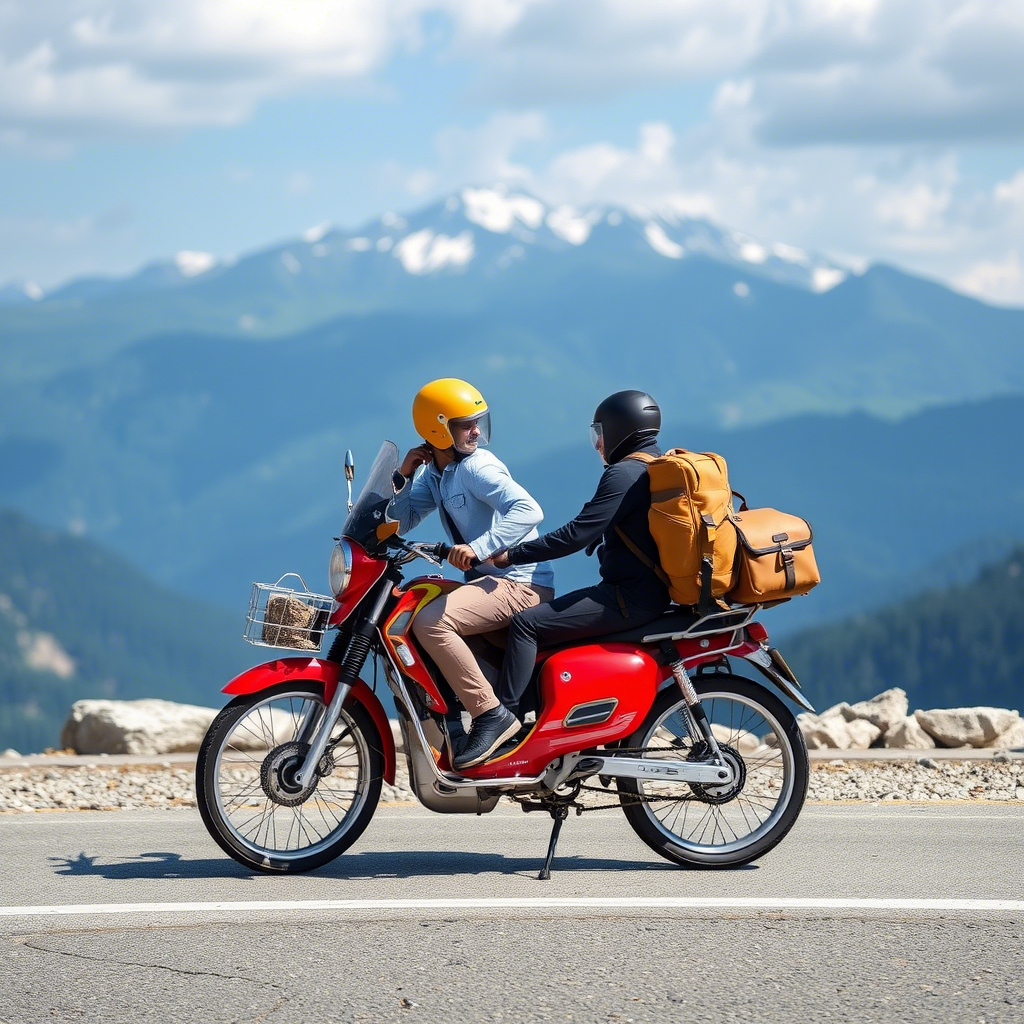
Research Before You Travel
Planning ahead reduces risk during solo trips.
Research your destinations, local laws, and areas to avoid. Understanding customs prevents misunderstandings and keeps you safe.
How to Gather Information
Use government websites, travel blogs, and guidebooks for details.
Gathering knowledge about your destination helps in decision-making and situational awareness.
Share Your Itinerary
Sharing your travel plan with family or friends ensures someone knows your location.
Provide accommodations, flight details, and contact information to trusted contacts.
Best Sharing Practices
Email, apps, or printed copies work well for safety.
Sharing itineraries improves response during emergencies and reduces travel stress.
Keep Emergency Contacts
Maintain a list of emergency contacts including local authorities and your embassy.
Store numbers on your phone and carry a physical copy.
Essential Contacts to Include
Police, medical services, embassies, and trusted friends.
Having accessible contacts ensures help is available if needed.
Choose Safe Accommodations
Selecting secure accommodations enhances safety.
Look for hotels or hostels with reviews highlighting security measures.
Accommodation Tips
Opt for well-lit areas, secure locks, and staff availability 24/7.
Safe accommodations provide peace of mind and reduce risk while traveling.
Stay Alert in Public Spaces
Awareness in crowded areas prevents theft and accidents.
Keep belongings close and avoid distractions while walking or commuting.
Alertness Strategies
Avoid headphones at high volume, and observe surroundings continuously.
Being alert increases safety and helps react quickly to potential threats.
Use Trusted Transportation
Rely on reputable taxis, rideshares, or public transport.
Avoid unlicensed vehicles or hitchhiking. Safety depends on verified providers.
Choosing Safe Rides
Verify vehicle details and share trip status with friends.
Trusted transportation reduces risks of theft, accidents, or scams.
Limit Night Travel
Avoid walking alone at night in unfamiliar areas.
Nighttime travel increases vulnerability to crime.
Safe Night Strategies
Use reputable rides or stay at hotels near safe zones.
Minimizing night travel enhances personal safety and reduces exposure to risks.
Blend In with Locals
Avoid drawing attention as a tourist.
Dress modestly and observe local customs to stay inconspicuous.
How to Blend In
Carry a map discreetly and avoid flashy jewelry.
Blending in helps reduce scams and unwanted attention in public areas.
Keep Valuables Secure
Protect money, cards, and documents while traveling.
Use anti-theft backpacks, money belts, or hotel safes.
Tips for Valuables
Divide cash, keep copies of passports, and avoid carrying everything.
Securing valuables prevents loss and reduces stress during travel.
Avoid Sharing Too Much
Limit personal information with strangers.
Oversharing travel plans or hotel locations can increase vulnerability.
Safe Communication Tips
Use general phrases about your location and avoid details online.
Discretion protects you from scams, theft, and other safety threats.
Trust Your Instincts
Intuition often signals potential danger.
Avoid situations or areas that feel unsafe.
Following Your Instincts
Leave uncomfortable areas immediately and seek help if needed.
Listening to instincts is critical for solo travel safety.
Learn Local Emergency Procedures
Knowing local emergency protocols increases preparedness.
Understand emergency numbers, hospital locations, and evacuation routes.
Local Emergency Tips
Ask hotel staff about procedures and nearby facilities.
Preparedness allows faster response during accidents or crises.
Carry a Personal Safety Device
Personal alarms, whistles, or small flashlights improve safety.
Devices can deter threats or alert others during emergencies.
Recommended Devices
Compact alarms and portable lights are easy to carry.
Having safety tools boosts confidence and readiness in risky situations.
Keep Digital Safety in Mind
Protect personal data and location sharing online.
Use VPNs, strong passwords, and avoid public Wi-Fi for sensitive transactions.
Digital Safety Apps
Password managers, VPNs, and location-sharing apps improve protection.
Digital precautions prevent identity theft and preserve privacy while traveling.
Monitor Travel Updates
Check travel updates for weather, political, or health alerts.
Being informed helps avoid unsafe conditions or restricted areas.
How to Stay Updated
Sign up for notifications from governments and reliable travel apps.
Real-time updates allow proactive decision-making and safer travel.
Follow Travel Alerts
Travel alerts indicate high-risk areas or emergency situations.
Alerts warn of protests, natural disasters, or health concerns.
Best Practices
Check alerts daily before moving between cities or regions.
Following alerts reduces exposure to hazards and keeps your trip safer.
Keep Copies of Important Documents
Backup passports, visas, and identification digitally and physically.
Copies help recover lost documents efficiently.
Document Management Tips
Store on cloud services and keep printed copies separate from originals.
Proper documentation ensures assistance and access to services if items are lost.
Maintain Health Precautions
Solo travelers must prioritize health safety.
Carry medicines, water, and personal hygiene items.
Health Safety Tips
Get vaccinations, pack first-aid kits, and follow local health advice.
Maintaining health minimizes medical emergencies during travel.
Connect with Local Resources
Knowing local embassies, police stations, and help centers enhances security.
They provide assistance in emergencies and guidance on safe practices.
Local Support Tips
Keep addresses, phone numbers, and websites handy.
Local connections improve confidence and access to support if needed.
Stay Socially Aware
Interacting responsibly with locals and travelers improves safety.
Observe cultural norms and avoid risky situations.
Social Awareness Strategies
Join group tours, stay in common areas, and ask locals for advice.
Social awareness reduces misunderstandings and enhances the solo travel experience.
FAQ
Q1: What are essential safety practices for solo travelers?
A1: Travel tips include researching destinations, sharing itineraries, and keeping emergency contacts.
Q2: How do I stay safe at night?
A2: Use well-lit areas, trusted rides, and avoid walking alone in unfamiliar places.
Q3: Are digital precautions necessary while traveling?
A3: Yes, protecting data, using VPNs, and managing passwords are vital travel safety tips.
Q4: How can I avoid theft as a solo traveler?
A4: Keep valuables secure, use anti-theft bags, and limit personal information shared publicly.
Conclusion
Following strategic travel tips is crucial for solo travelers. Research destinations, share itineraries, and keep emergency contacts accessible. Monitor travel updates and travel alerts to stay informed. Secure accommodations, blend in with locals, and use personal safety devices. Prioritize health, digital safety, and social awareness to prevent risks. Combining planning, intuition, and caution ensures safer and enjoyable experiences during global travel. These steps make solo adventures confident, stress-free, and rewarding at your travel destinations.
About The Author
