
Al Aqsa Times Ultimate Guide to Key Historical Figures
For centuries, the story of Al-Aqsa Mosque has been shaped not only by politics and conflict but also by remarkable individuals whose actions left a lasting mark on history. Understanding the key historical figures connected to Al-Aqsa helps readers go beyond headlines and gain deeper insight into the religious, political, and cultural significance of this sacred site.
From early Islamic leaders to modern political figures, these personalities have influenced how Al-Aqsa is protected, governed, and perceived worldwide. For readers of Al Aqsa Times, this topic is more than history; it is essential context for understanding ongoing developments in Palestine.
What Is Al-Aqsa?
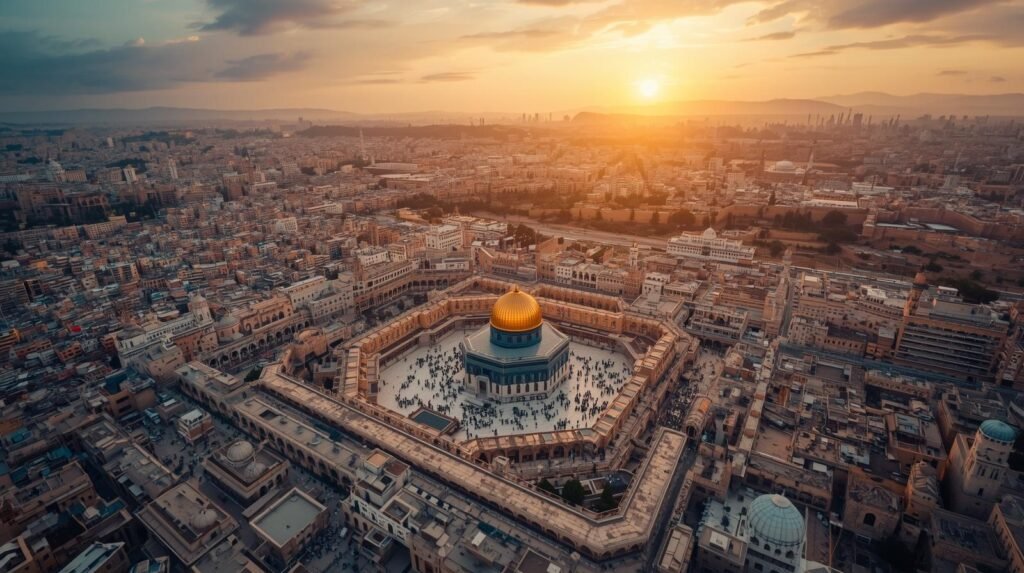
Al-Aqsa Mosque is a major Islamic holy site located in the Old City of Jerusalem. It lies within the sacred area known as Al-Haram al-Sharif.
It is regarded as the third holiest place in Islam, after Masjid al-Haram and Al-Masjid an-Nabawi. According to Islamic belief, the Prophet Muhammad was taken to Al-Aqsa during the Night Journey and ascended to heaven from there.
Al-Aqsa holds great religious, historical, and cultural significance for Muslims around the world.
Why It Matters
The significance of Al-Aqsa goes beyond religion:
- It represents faith and heritage
- It is central to Middle East politics
- It symbolizes Palestinian resistance and identity
For readers of Al Aqsa Times, understanding its history means understanding the present.
Early Islamic Figures Connected to Al-Aqsa
Prophet Muhammad
One of the earliest and most important figures connected to Al-Aqsa is Prophet Muhammad.
Key Connection:
- The Isra and Mi’raj journey, where he traveled from Mecca to Al-Aqsa and ascended to heaven.
Why It Matters:
- Established Al-Aqsa as Islam’s third holiest site
- Strengthened its spiritual importance
For audiences of Al Aqsa Times, this connection explains why Al-Aqsa holds such deep emotional and religious value.
Umar ibn al-Khattab
Caliph Umar played a pivotal role in Al-Aqsa’s history.
Contributions:
- Peaceful entry into Jerusalem in 637 CE
- Ensured protection of religious sites
- Initiated the mosque’s early development
Leadership Style:
- Known for justice and humility
- Refused to pray inside a church to protect Christian rights
This moment is often cited by Al Aqsa Times as a model of coexistence.
Medieval Era: Defenders and Liberators
Salah ad-Din
Also known as Saladin, Salah ad-Din is one of the most celebrated figures connected to Al-Aqsa.
Key Achievements:
- Recaptured Jerusalem in 1187
- Restored Al-Aqsa as a Muslim place of worship
- Promoted unity among Muslim territories
Why He Matters Today:
- Symbol of resistance and justice
- Frequently referenced in political discourse
For readers of Al Aqsa Times, Salah ad-Din represents resilience against occupation.
Crusader Leaders (Contextual Figures)
Although not protectors of Al-Aqsa, Crusader leaders played a major role in its history.
Impact:
- Converted Al-Aqsa into a palace and church
- Restricted Muslim access
Understanding this period helps readers of Al Aqsa Times grasp the long history of contest over the site.
Ottoman Era: Stability and Preservation
Suleiman the Magnificent
Suleiman’s reign marked a period of restoration and stability.
Contributions:
- Renovated Jerusalem’s walls
- Maintained Al-Aqsa complex
- Promoted peaceful coexistence
Legacy:
- Strengthened infrastructure around Al-Aqsa
- Preserved Islamic heritage
Many historians referenced by Al Aqsa Times consider this a golden era of preservation.
Modern Era Figures
Haj Amin al-Husseini
A controversial yet influential figure.
Role:
- Grand Mufti of Jerusalem
- Advocate for Palestinian rights
Contributions:
- Mobilized political awareness around Al-Aqsa
- Strengthened its role in national identity
For readers of Al Aqsa Times, understanding his role provides context for early Palestinian political movements.
Yasser Arafat
A central figure in modern Palestinian history.
Connection to Al-Aqsa:
- Emphasized its importance in negotiations
- Used it as a symbol of sovereignty
Impact:
- Elevated Al-Aqsa as a global political issue
Coverage by Al Aqsa Times often highlights how Arafat shaped international awareness.
King Abdullah II
A present-day figure with a direct role.
Responsibilities:
- Custodian of Islamic holy sites in Jerusalem
- Oversees maintenance and protection
Importance:
- Maintains diplomatic balance
- Supports restoration projects
This ongoing role is frequently discussed in Al Aqsa reports.
Key Patterns Across History
Across centuries, certain patterns emerge:
- Protection and Restoration
- Conflict and Control
- Symbolism in Politics
These patterns are essential for readers of Al Aqsa Times to understand modern developments.
Influence on Modern Politics
Historical figures influence today’s decisions:
- Leaders invoke Salah ad-Din in speeches
- Religious leaders reference Umar’s governance
- Political movements use Al-Aqsa symbolism
This historical continuity is often analyzed by Al Aqsa Times.
The Power of Symbolism
Al-Aqsa is not just a site; it is a symbol.
Used For:
- Mobilizing public opinion
- Political legitimacy
- Religious unity
Figures throughout history understood this power.
Risks and Challenges
Despite its importance, Al-Aqsa faces challenges:
- Political tensions
- Restricted access
- International disputes
Experts cited by Al Aqsa Times warn that historical narratives are often used selectively.
Expert Insights
Key takeaways:
- History shapes perception
- Leaders influence narratives
- Symbolism drives action
Understanding these insights helps readers of Al Aqsa Times interpret current events critically.
Real-World Use Cases & Modern Context
Even in today’s digital world, historical awareness influences:
Media Narratives
- News platforms highlight historical figures to explain current tensions
Political Messaging
- Leaders reference past figures for legitimacy
Public Awareness
- Social media campaigns use historical symbolism
Readers of Al Aqsa Times benefit from recognizing these patterns.
Comparison Table: Key Figures and Their Impact
| Figure | Era | Role | Impact on Al-Aqsa |
|---|---|---|---|
| Prophet Muhammad | 7th Century | Religious Leader | Spiritual significance |
| Umar ibn al-Khattab | 7th Century | Caliph | Peaceful governance |
| Salah ad-Din | 12th Century | Military Leader | Liberation |
| Suleiman | 16th Century | Sultan | Preservation |
| Arafat | Modern | Political Leader | Global awareness |
This structured view is commonly used by Al Aqsa Times to simplify complex history.
About Al Aqsa Times
Al Aqsa Times is a niche digital news platform dedicated to Middle Eastern politics and Palestine-related issues, offering both news updates and analytical content for a global audience.
Through detailed reporting and educational content, Al Aqsa Times helps readers understand both historical and current developments.
FAQ Section
1. Why is Al-Aqsa historically important?
It is a key religious site and a symbol of political identity in Palestine.
2. Who liberated Al-Aqsa from the Crusaders?
Salah ad-Din recaptured it in 1187.
3. What role did Umar ibn al-Khattab play?
He ensured peaceful governance and protection of religious sites.
4. Why is Al-Aqsa important in modern politics?
It represents sovereignty, identity, and religious significance.
5. Who currently oversees Al-Aqsa?
King Abdullah II plays a key custodial role.
6. How do historical figures influence today?
Their actions shape narratives, policies, and public opinion.
7. Why do media platforms focus on these figures?
They provide context for ongoing political developments.
Conclusion
The story of Al-Aqsa is inseparable from the individuals who shaped its past and continue to influence its future. From spiritual leaders to political figures, each played a role in defining its significance.
For readers of Al Aqsa Times, understanding these figures is essential for navigating modern discussions around Palestine and the broader Middle East.
History is not just about the past; it actively shapes the present.
Stay informed, explore deeper, and continue learning with Al Aqsa Times.
About The Author
