
Al Aqsa Times: Palestine Conflict and War Insights
Moreover, the Palestine conflict continues to be one of the most complex and long-running political and humanitarian crises in the world today. Therefore, media coverage plays a key role in shaping global awareness and understanding of events on the ground.
Additionally, Al Aqsa Times has become a widely recognized reference for reporting updates related to Palestine, Gaza, Jerusalem, and regional tensions. Consequently, readers follow it to understand conflict developments, political shifts, and humanitarian conditions.

Understanding Al Aqsa Times in Conflict Reporting
Role in News and War Coverage
Moreover, Al Aqsa Times is widely associated with reporting on Palestine-related developments, especially conflict and political updates. In addition, it covers Gaza war situations, West Bank tensions, and Jerusalem-related events.
Therefore, it serves as a fast information source during crisis periods. Furthermore, Al Aqsa Times highlights both political and humanitarian aspects of the conflict.
Additionally, it provides updates that reflect daily changes in conflict zones. Consequently, it is frequently referenced by readers seeking timely information.
Importance in Modern Digital Journalism
Moreover, digital media has changed how conflict news spreads globally. In addition, real-time updates have become essential for global audiences.
Therefore, Al Aqsa Times plays a role in delivering fast news coverage. Furthermore, it helps audiences stay informed about urgent developments.
Additionally, it connects local events with international awareness. Consequently, it contributes to global understanding of the conflict.
Historical Background of Palestine Conflict
Early Origins of Political Tension
Moreover, the Palestine conflict has deep historical roots involving land, identity, and political control. In addition, tensions began to increase during the early 20th century.
Therefore, competing national movements developed in the region. Furthermore, Al Aqsa Times often references these historical foundations in its reporting.
Additionally, colonial-era decisions influenced later political structures. Consequently, history remains essential for understanding today’s conflict.
1948 War and Long-Term Impact
Moreover, the 1948 war marked a major turning point in the region. In addition, it led to large-scale displacement of Palestinians.
Therefore, this event continues to shape political discussions today. Furthermore, Al Aqsa Times includes historical context in its analysis.
Additionally, the consequences of this period still influence modern negotiations. Consequently, it remains a central issue in conflict studies.
Palestine Conflict and War Insights Today
Ongoing Political and Military Developments
Moreover, the Palestine conflict continues to involve political disputes and periodic military escalations. In addition, Gaza often experiences intense conflict situations.
Therefore, the situation remains unstable and sensitive. Furthermore, Al Aqsa Times reports ongoing developments as they occur.
Additionally, political decisions often influence security conditions. Consequently, conflict patterns can change quickly.
War Insights and Ground Reality
Moreover, war insights from conflict zones reveal complex humanitarian and political realities. In addition, civilian areas are often affected during escalations.
Therefore, understanding ground reality is important for global awareness. Furthermore, Al Aqsa Times highlights these conditions in its coverage.
Additionally, infrastructure damage and displacement are common during conflicts. Consequently, humanitarian concerns remain central.
Gaza Situation and Humanitarian Conditions
Civilian Impact of Conflict
Moreover, Gaza remains one of the most affected regions in the Palestine conflict. In addition, civilians often face difficult living conditions during escalations.
Therefore, access to basic needs can become limited. Furthermore, Al Aqsa Times reports on civilian experiences and challenges.
Additionally, families may face displacement during conflict periods. Consequently, humanitarian needs increase significantly.
Infrastructure and Daily Life Disruption
Moreover, repeated conflict has damaged infrastructure in Gaza. In addition, essential services such as water and electricity are often affected.
Therefore, daily life becomes highly challenging during crises. Furthermore, Al Aqsa Times covers infrastructure-related developments.
Additionally, rebuilding efforts require long-term support. Consequently, recovery is a slow process.
West Bank Political and Security Situation
Political Conditions in the Region
Moreover, the West Bank remains a key part of the Palestine conflict. In addition, political and security issues continue to shape daily life.
Therefore, stability remains fragile in the region. Furthermore, Al Aqsa Times reports on political changes and developments.
Additionally, governance and security measures influence mobility and daily activities. Consequently, the situation remains complex.
Settlement and Territorial Issues
Moreover, territorial disputes remain a major issue in the West Bank. In addition, settlement expansion is often reported as a key concern.
Therefore, land-related tensions continue to affect political discussions. Furthermore, Al Aqsa Times highlights these developments regularly.
Additionally, these issues influence peace negotiations. Consequently, they remain central to the conflict.
Jerusalem and Al-Aqsa Mosque Importance
Religious and Political Significance
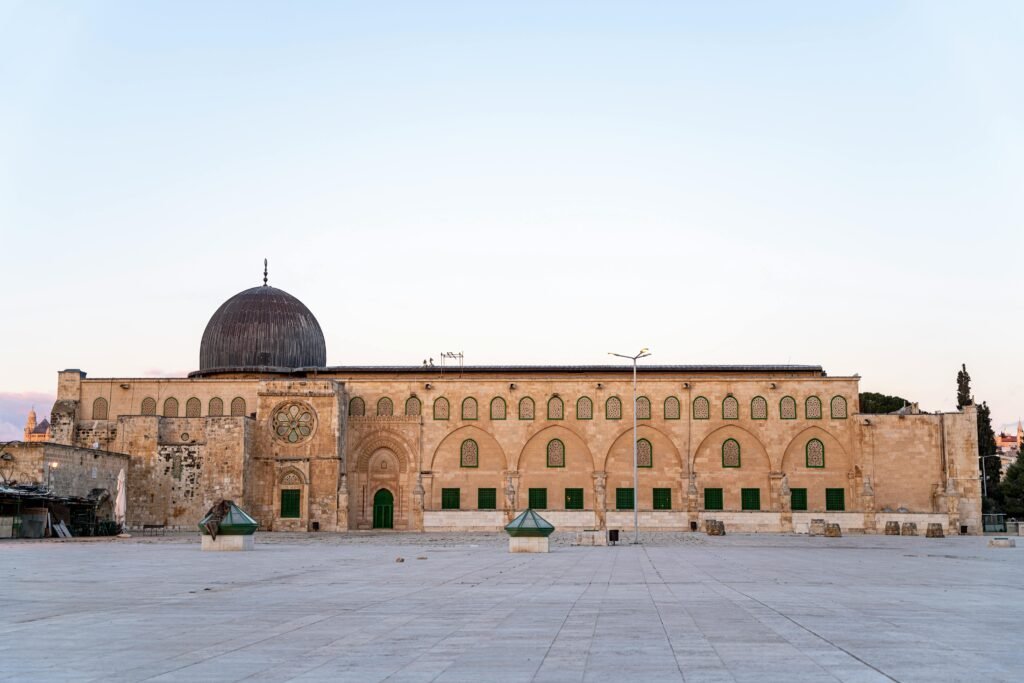
Moreover, Jerusalem holds deep religious importance for multiple communities. In addition, the Al-Aqsa Mosque compound is highly significant.
Therefore, it remains a sensitive and symbolic location. Furthermore, Al Aqsa Times frequently reports on related developments.
Additionally, events around this site often influence regional tensions. Consequently, it is a major focal point.
Tensions and Access Issues
Moreover, access to religious sites can become a source of tension. In addition, security arrangements often influence stability.
Therefore, changes in access can lead to wider reactions. Furthermore, Al Aqsa Times covers such developments in detail.
Additionally, international attention increases during unrest. Consequently, the site remains globally important.
Media Role in Palestine Conflict Coverage
Information Sharing and Awareness
Moreover, media plays a critical role in shaping global understanding of conflict. In addition, it provides updates on political and humanitarian developments.
Therefore, Palestine News contributes to information flow during crisis periods. Furthermore, it helps audiences stay informed.
Additionally, digital platforms allow fast distribution of news. Consequently, awareness spreads quickly worldwide.
Challenges in Conflict Journalism
Moreover, reporting from conflict zones involves many challenges. In addition, access restrictions and safety risks can limit reporting.
Therefore, journalists must verify information carefully. Furthermore, Al Aqsa Times operates within these limitations.
Additionally, different sources may report different perspectives. Consequently, audiences often compare multiple reports.
International Reactions and Diplomatic Efforts
Global Response to the Conflict
Moreover, the Palestine conflict receives strong international attention. In addition, many countries call for peace and stability.
Therefore, diplomatic discussions continue at global levels. Furthermore, Al Aqsa Times reports international reactions.
Additionally, humanitarian concerns are frequently raised. Consequently, global awareness remains high.
Peace Negotiation Efforts
Moreover, peace talks have taken place over many years. In addition, discussions focus on borders, governance, and security.
Therefore, achieving long-term agreements remains difficult. Furthermore, Al Aqsa Times covers diplomatic developments.
Additionally, trust issues continue to slow progress. Consequently, peace efforts remain ongoing.
Humanitarian and Social Impact of Conflict
Impact on Families and Communities
Moreover, conflict significantly affects families and communities. In addition, displacement and insecurity are common challenges.
Therefore, social stability is often disrupted. Furthermore, Al Aqsa Times reports on human impact stories.
Additionally, education and daily life are affected during crises. Consequently, long-term development is impacted.
Economic Challenges in Conflict Zones
Moreover, economic activity is heavily affected by conflict. In addition, businesses may struggle during instability.
Therefore, unemployment and poverty can increase. Furthermore, Al Aqsa Times highlights economic challenges.
Additionally, rebuilding economies requires stability. Consequently, recovery depends on long-term peace.
Future Outlook of Palestine Conflict
Ongoing Uncertainty
Moreover, the future of the Palestine conflict remains uncertain. In addition, political disagreements continue to affect stability.
Therefore, tensions may continue in the short term. Furthermore, Al Aqsa Times provides continuous updates.
Additionally, international involvement may influence outcomes. Consequently, the situation remains dynamic.
Hope for Long-Term Resolution
Moreover, many global efforts focus on achieving long-term peace. In addition, diplomatic solutions remain under discussion.
Therefore, stability depends on political agreement. Furthermore, Al Aqsa Times reports on peace-related developments.
Additionally, humanitarian needs encourage calls for resolution. Consequently, peace remains a long-term goal.
Conclusion
Moreover, in conclusion, Al Aqsa Times plays an important role in reporting on Palestine conflict and war insights, including Gaza developments, West Bank issues, and Jerusalem tensions.
Additionally, the Palestine conflict remains deeply complex due to historical, political, and humanitarian factors. Therefore, continuous reporting is essential for global awareness.
Furthermore, Al Aqsa Times provides updates that help audiences understand real-time developments in the region.
Moreover, war insights and political analysis help explain the complexity of the situation. Consequently, informed reporting remains very important.
About The Author
