
Alaqsa Times 2026: Amazing Digital News Hub
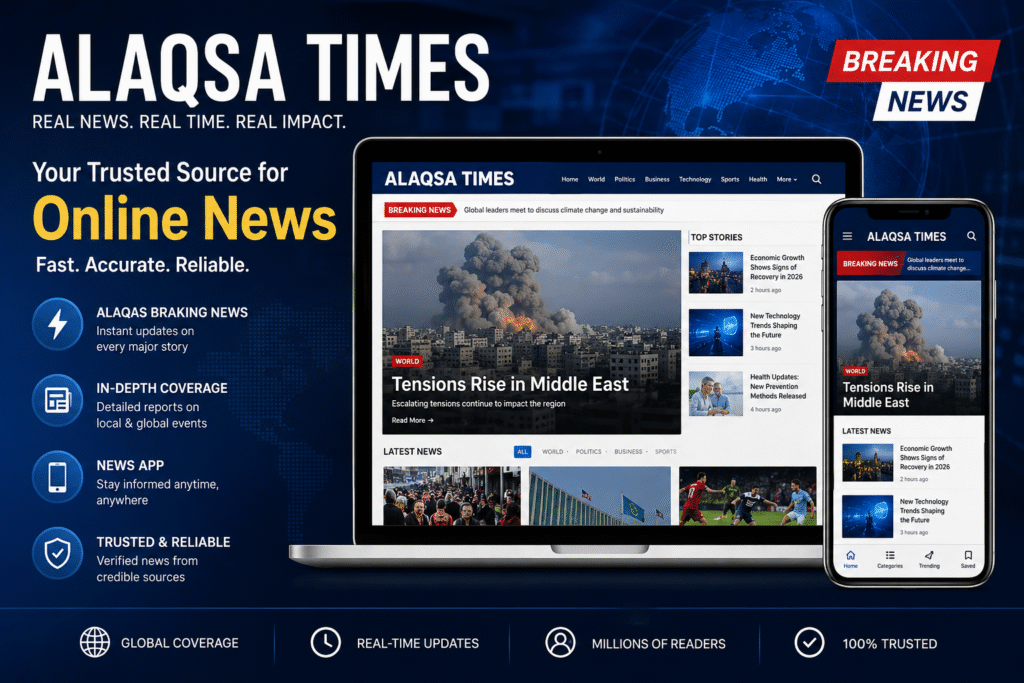
Among modern digital publishers, Alaqsa Times has become a recognizable platform for readers searching for reliable reporting and user-friendly experiences. The platform focuses on global headlines, mobile accessibility, and organized storytelling for modern audiences.
Introduction
The digital media world continues growing faster every year. Readers now depend on smartphones and online platforms for daily headlines, global events, entertainment stories, and business updates. Traditional newspapers still play a role in journalism, yet digital platforms now dominate modern information sharing across the world.
People want fast updates, accurate reporting, and smooth mobile experiences. Because of this demand, every successful news site must provide quick loading, responsive design, and trustworthy journalism. Readers no longer want complicated websites or delayed reports. Instead, they prefer organized platforms that deliver information clearly and instantly.
The rise of smartphones has also changed how people consume information every day. Millions of users now open a news app several times daily to check breaking stories, sports updates, weather alerts, and entertainment headlines. Mobile journalism has become one of the strongest parts of modern communication.
Readers searching for alaqsa news often expect balanced reporting and easy navigation. Likewise, users looking for alaqas braking news usually want immediate updates during important global events. These expectations continue shaping the future of online journalism in 2026.
The Growth of Online Journalism
Online journalism has expanded dramatically over the past decade. Faster internet speeds and affordable smartphones have made information available to more people than ever before. Readers can now access international stories instantly from almost any location.
One major advantage of digital journalism is speed. A professional online news platform can publish updates within seconds after important events happen. Readers no longer wait for television schedules or printed newspapers to stay informed.
Convenience also drives the popularity of digital media. People can access stories while traveling, working, studying, or relaxing at home. This flexibility has made digital journalism an essential part of daily life.
Accessibility further strengthens online journalism. Readers from different countries can access the same headlines immediately through internet-connected devices. This global reach has transformed journalism into a more connected and interactive industry.
Visual storytelling additionally improves reader experiences. Videos, infographics, live streams, and image galleries help explain stories more effectively. Many users now prefer multimedia reports because they feel easier to understand and more engaging.
Modern journalism also encourages audience participation. Readers can comment on articles, share stories through social media, and discuss important issues online. These interactions create stronger relationships between publishers and audiences.
Why Readers Prefer Digital News Platforms
A quality news site should provide organized categories and easy navigation. Readers appreciate platforms that help them locate stories quickly without confusion. Clean layouts improve readability and create better browsing experiences.
Another major advantage involves real-time updates. Digital platforms continuously refresh stories throughout the day. This fast reporting helps readers follow developing events and breaking situations immediately.
Personalization has also become extremely important. Many digital publishers now recommend stories based on user interests and browsing habits. Readers can focus on categories such as technology, politics, sports, entertainment, or business according to personal preferences.
Interactive features further improve engagement. Polls, comments, and social sharing options create stronger community participation around digital journalism.
Visual content additionally attracts modern audiences. Short videos, interviews, and live broadcasts often receive more engagement than traditional text-only reports. Consequently, multimedia storytelling continues expanding rapidly across digital platforms.
Many people searching for alaqsa news appreciate platforms that combine fast updates with trustworthy reporting. Readers value clarity and professionalism when following important stories online.
Mobile Apps and Modern Media Habits
Smartphones have completely transformed modern journalism. Today, millions of users depend on mobile devices for daily updates instead of television broadcasts or printed newspapers. Because of this shift, every major news app focuses heavily on mobile optimization.
Push notifications remain one of the most valuable mobile journalism features. Readers receive instant alerts about breaking stories, weather updates, sports results, and political developments. These notifications keep users informed throughout the day.
Modern applications also support personalized reading experiences. Users can select favorite categories and customize notification settings according to personal interests. This flexibility improves user satisfaction significantly.
Offline reading options further improve convenience. Readers can save articles while traveling or during busy schedules. These features make mobile journalism highly practical for modern lifestyles.
Visual content performs especially well on smartphones. Videos, live streams, and short explainers often attract larger audiences than long text-only articles. Therefore, publishers continue investing heavily in multimedia storytelling.
Responsive design also improves comfort. Adjustable text sizes, dark mode settings, and clean interfaces help readers enjoy longer browsing sessions without frustration.
Many users searching for online news now rely entirely on smartphones for daily information consumption. Mobile journalism will likely remain central to digital publishing in the future.
The Importance of Breaking News Coverage
Breaking news reporting remains one of the most important responsibilities in journalism. During elections, emergencies, sports events, or international incidents, readers expect immediate and accurate updates from trusted publishers.
Platforms covering alaqas braking news must verify information carefully before publication. False reports spread quickly online and can create confusion among audiences. Therefore, responsible journalism organizations prioritize fact-checking and source verification.
Balanced reporting also matters greatly during fast-moving situations. Readers appreciate calm explanations instead of emotional or exaggerated headlines. Ethical journalism helps audiences understand events more clearly and responsibly.
Technology has improved breaking coverage significantly. Journalists now use smartphones, cloud systems, and live streaming tools to report events instantly from almost any location worldwide.
Interactive storytelling further strengthens breaking news coverage. Live maps, visual timelines, and video reports provide additional context for readers following important developments.
Many readers trust Alaqsa Times because the platform provides organized reporting and timely updates during major global events.
Reliable journalism supports informed communities and helps people respond confidently during changing situations.
Social Media and Digital Journalism
Short-form content performs especially well on social platforms. Headlines, quick summaries, and visual clips attract attention rapidly. Therefore, publishers create social-friendly content designed for engagement.
Audience interaction has also become stronger through social media. Readers can comment on stories, ask questions, and participate in online discussions instantly. These interactions create active communities around journalism platforms.
However, social media also creates challenges. False information spreads quickly through unverified posts and fake accounts. Trusted publishers must work continuously to maintain accuracy and credibility online.
Many users searching for online news first encounter headlines through social media feeds before visiting complete articles. This trend has increased the importance of digital marketing and audience engagement strategies.
Video journalism continues dominating online engagement. Live interviews, visual explainers, and short reports often attract stronger audience interaction compared to text-only content.
The relationship between social media and journalism will likely continue growing in the coming years.
Building Trust in Journalism
Trust remains one of the most valuable qualities in digital journalism. Readers return to platforms they believe provide factual, organized, and professional reporting.
The internet contains large amounts of misinformation. Fake headlines and misleading stories often spread rapidly online. Therefore, readers increasingly value publishers that prioritize verification and transparency.
Professional editorial standards improve audience confidence. Skilled journalists and editors carefully review stories before publication to reduce inaccuracies and confusion.
Transparency also strengthens credibility. Readers appreciate platforms that explain corrections openly and identify reliable sources clearly whenever possible.
Many readers searching for alaqsa news prefer platforms that avoid sensational language and focus on clear reporting. Organized storytelling helps audiences understand complicated topics more effectively.
Cybersecurity has additionally become essential for modern journalism platforms. Secure websites and protected user data improve trust among digital audiences.
Reliable journalism supports informed public discussions and healthier online communities. Trust will remain essential for the future success of digital publishing worldwide.
The Future of Online News
The future of journalism looks increasingly digital and mobile-focused. Readers continue shifting toward smartphones, personalized experiences, and instant updates. Therefore, publishers must continue adapting to changing audience behavior.
Artificial intelligence already supports many newsroom operations. AI tools help analyze trends, organize content, and recommend stories for readers. However, human journalists remain essential for ethical reporting and editorial judgment.
Video journalism will likely continue expanding rapidly. Readers increasingly prefer short visual summaries and interactive storytelling alongside traditional articles.
Voice-assisted technology may also influence future publishing strategies. More users now access headlines through smart speakers and voice search tools. Publishers are already optimizing content for conversational searches.
Subscription-based journalism may continue growing as readers recognize the value of trustworthy reporting. Financial support helps publishers maintain professional standards and quality journalism.
People searching for alaqas braking news and reliable updates will continue expecting fast yet responsible reporting from trusted digital platforms.
The digital media industry continues evolving rapidly, yet readers will always value truthful and organized journalism.
Conclusion
Digital journalism has transformed how people consume information in 2026. Readers now expect instant updates, mobile accessibility, and trustworthy reporting from every major media platform.
Alaqsa Times represents the modern direction of journalism by focusing on speed, accessibility, and organized storytelling. Readers searching for reliable online news appreciate platforms that provide clear updates and smooth mobile experiences.
The popularity of every major news app and news site demonstrates how strongly digital media influences modern communication worldwide. Smartphones and social media continue shaping audience behavior every day.
At the same time, responsible reporting remains more important than ever. Readers searching for alaqsa news and alaqas braking news depend heavily on trusted publishers during important events.
The future of journalism belongs to platforms capable of combining technology with professionalism. Readers want fast information, but they also expect truth, clarity, and accurate reporting in every story they read.
✅ Visit For More Information.
About The Author
