
Eye-Opening Iran News on Middle East Political War
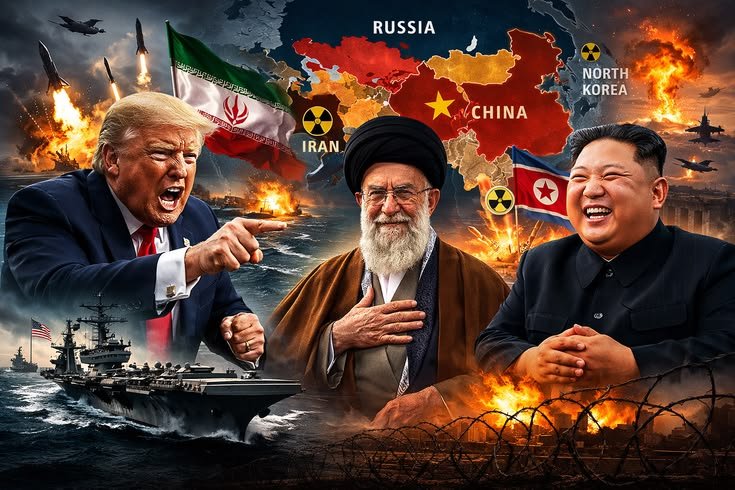
The Middle East remains one of the most influential regions in the world. Moreover, it plays a central role in global politics, energy security, international trade, and diplomatic relations. Therefore, political developments in this region often attract worldwide attention. As a result, Iran News continues to be one of the most searched topics among readers seeking insights into Middle Eastern affairs.
Why the Middle East Remains Politically Important
Strategic Geographic Location
The Middle East connects Asia, Europe, and Africa.
Moreover, it contains important transportation routes that support international trade.
Therefore, developments in the region often affect global commerce and diplomatic relations.
Energy Resources
The region possesses some of the world’s largest oil and natural gas reserves.
Furthermore, many countries depend on Middle Eastern energy exports.
Consequently, political developments can influence global energy markets and economic expectations.
Historical and Cultural Significance
The Middle East holds immense historical, religious, and cultural importance.
Moreover, it is home to some of the world’s oldest civilizations and most important religious sites.
As a result, developments in the region often attract widespread international interest.
Iran’s Position in Middle Eastern Politics
Iran remains one of the most influential countries in the region.
Furthermore, its geographic location, population size, economic resources, and political influence contribute to its strategic importance.
Therefore, Iran News frequently focuses on regional diplomacy, security concerns, and political developments involving Iran.
Strategic Influence
Iran maintains relationships with various countries and political actors throughout the Middle East.
Moreover, these relationships influence regional discussions regarding security and diplomacy.
Consequently, Iran plays a significant role in shaping regional affairs.
Diplomatic Engagement
Iran regularly participates in diplomatic discussions related to regional stability.
Furthermore, communication with neighboring countries remains an important component of foreign policy.
As a result, diplomacy continues to be a key aspect of Iran’s regional strategy.
Economic Importance
Iran possesses significant energy resources and a large domestic market.
Therefore, economic developments in Iran often attract international attention.
Moreover, economic policies can influence broader regional trends.
Major Drivers of Political Competition in the Middle East
Several factors contribute to political competition across the region.
Regional Influence
Countries often seek to expand or maintain political influence.
Furthermore, governments pursue policies designed to protect national interests.
Consequently, competition for influence remains an important aspect of regional politics.
Security Priorities
National security remains a central concern for governments.
Moreover, security considerations frequently influence diplomatic and economic decisions.
Therefore, political competition often reflects broader security objectives.
Economic Interests
Economic growth and development remain important goals for regional governments.
Furthermore, competition for investment, trade opportunities, and economic partnerships can shape political relationships.
As a result, economics often plays a major role in regional dynamics.
Because of these interconnected factors, Iran News often examines both political and economic developments.
The Role of Diplomacy in Political Competition
Diplomatic Strategy
Diplomacy serves as one of the most important tools in modern international relations.
Moreover, governments use diplomacy to promote national interests and build partnerships.
Therefore, diplomatic engagement remains central to regional politics.
Regional Dialogues
Regional forums provide opportunities for communication and cooperation.
Furthermore, discussions can help address disagreements and encourage mutual understanding.
Consequently, dialogue plays a critical role in managing political competition.
International Partnerships
Countries often work with international partners to achieve strategic goals.
Moreover, these partnerships can influence regional political dynamics.
As a result, international diplomacy remains closely connected to Middle Eastern affairs.
Security Challenges and Political Tensions
Defense and Preparedness
Governments prioritize defense planning to protect national interests.
Furthermore, security concerns often influence policy decisions.
Therefore, preparedness remains an important aspect of regional strategy.
Strategic Rivalries
Political competition sometimes leads to strategic rivalries among countries.
Moreover, these rivalries can affect diplomatic relationships and regional cooperation.
Consequently, governments frequently seek ways to manage tensions while protecting national interests.
Emerging Security Issues
Modern security challenges include cybersecurity, technological competition, and information security.
Furthermore, governments increasingly focus on these areas.
As a result, security discussions continue evolving.
Economic Effects of Middle East Political Competition
Impact on Investment
Political stability often encourages investment and economic growth.
However, uncertainty can influence investor confidence.
Therefore, governments frequently emphasize stability and economic reform.
Trade Relationships
Trade remains an important component of regional cooperation.
Moreover, economic partnerships can strengthen diplomatic ties.
Consequently, trade policies often influence political relationships.
Energy Markets
The Middle East continues to play a central role in global energy production.
Therefore, political developments often affect market expectations.
Moreover, energy security remains a major concern for governments and businesses.
As a result, Iran News often attracts interest from economic analysts and investors.
Iran and Regional Alliances
Importance of Strategic Partnerships
Countries often develop partnerships to support shared interests.
Moreover, these relationships can strengthen diplomatic and economic cooperation.
Consequently, alliances remain an important feature of regional politics.
Diplomatic Cooperation
Iran participates in various diplomatic initiatives across the region.
Furthermore, cooperation with neighboring countries can support stability and economic growth.
Therefore, diplomatic engagement remains a key component of regional strategy.
Shared Interests
Many countries share interests related to trade, security, and development.
As a result, cooperation can create opportunities for mutual benefit.
Global Perspectives on Middle East Political War
Interest from Major Powers
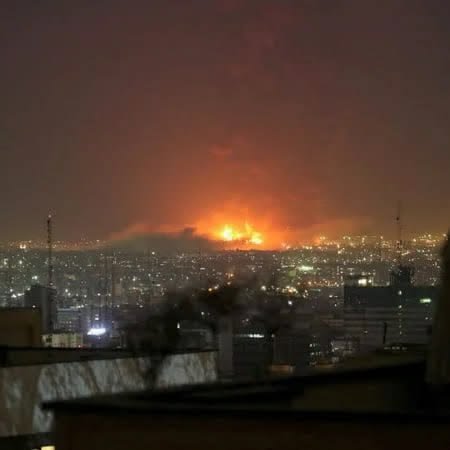
Global powers closely monitor developments in the Middle East.
Moreover, regional stability affects international trade, energy supplies, and security interests.
Therefore, governments around the world remain engaged in regional discussions.
International Organizations
Organizations such as the United Nations encourage peaceful conflict resolution.
Furthermore, they support dialogue and cooperation among member states.
Consequently, international institutions play important roles in diplomatic efforts.
Worldwide Economic Impact
Middle Eastern developments often influence global markets.
Moreover, investors and businesses closely follow regional events.
As a result, political developments receive extensive international attention.
Media Coverage and Public Interest
Importance of Reliable Information
Accurate reporting helps audiences understand complex issues.
Moreover, reliable information supports informed decision-making.
Therefore, readers should rely on credible sources.
Challenges of Modern News Coverage
Information spreads rapidly through digital platforms.
However, rapid reporting can sometimes create confusion.
Consequently, verification remains essential.
Public Demand for Updates
People around the world seek information about Middle Eastern affairs.
As a result, demand for the Latest Islamic News remains consistently strong.
Future Scenarios for Regional Politics
Increased Diplomatic Cooperation
One possible future involves stronger diplomatic engagement.
Moreover, governments may continue pursuing dialogue and cooperation.
Consequently, tensions could gradually decrease.
Continued Political Competition
Another scenario involves ongoing competition without major instability.
In this case, countries would continue pursuing national interests while maintaining diplomatic communication.
Therefore, regional politics would remain dynamic.
Economic Integration
Economic cooperation may create new opportunities for growth and stability.
Furthermore, shared economic interests can encourage stronger relationships.
As a result, regional integration could support long-term development.
Greater Focus on Stability
Many governments recognize the importance of maintaining stability.
Therefore, efforts aimed at reducing tensions may continue expanding.
Moreover, cooperation could help address shared challenges.
Conclusion
The Middle East continues to experience significant political competition, strategic rivalry, and diplomatic activity. Moreover, these developments influence regional stability, economic growth, and international relations.
Iran remains a major actor within this complex environment because of its strategic location, political influence, and economic importance. Therefore, understanding regional politics often requires close attention to developments involving Iran.
While challenges continue to exist, diplomacy, economic cooperation, and constructive engagement provide opportunities for progress. Furthermore, governments across the region increasingly recognize the importance of stability and peaceful interaction.
About The Author
