
Iran News: Foreign Policy & Direct War
Iran’s foreign policy has become one of the most important subjects in Middle Eastern politics. Its decisions affect Israel, Iran News, it is important to understand the difference between diplomatic competition, indirect conflict, and direct war. Iran has spent decades building a foreign policy based on national security, deterrence, regional influence, and resistance to pressure from the United States and Israel.
Iran’s Foreign Policy: The Basic Ideas
Sovereignty and Independence
Iran’s leaders place strong importance on national sovereignty.
Since the 1979 Islamic Revolution, the government has often presented independence from foreign powers as a central national goal.
The experience of foreign pressure has strengthened this view.
Therefore, Tehran often rejects policies that it believes would give the United States or other outside powers excessive influence over Iranian decisions.
Regional Influence
Iran also believes that regional security cannot be separated from its own security.
As a result, Tehran has built relationships with governments and armed groups across the Middle East.
These relationships provide political, military, and strategic advantages.
At the same time, Israel and some Arab governments view these networks as evidence of expanding Iranian influence.
Thus, the same policy can appear defensive to Tehran and threatening to its rivals.
Deterrence
Deterrence is another major part of Iranian strategy.
The basic idea is simple: if an enemy expects a serious response to an attack, it may decide not to attack.
Iran uses missiles, drones, naval forces, air defenses, and regional partnerships as parts of its deterrence system.
Therefore, military capability and foreign policy are closely connected.
Iran’s Political System and Foreign Policy
The Supreme Leader
Iran’s Supreme Leader has a central role in foreign and security policy.
The position has authority over the armed forces and major strategic decisions.
Consequently, international observers often pay close attention to statements from the Supreme Leader.
The Presidency
The president also has an important role.
Presidents can influence economic policy, diplomacy, and relations with foreign governments.
However, the president does not operate independently on major security questions.
The Iranian system includes several powerful institutions.
Therefore, foreign policy is shaped by multiple centers of authority.
The Islamic Revolutionary Guard Corps
The Islamic Revolutionary Guard Corps, commonly called the IRGC, has a major role in Iranian security policy.
It controls important military capabilities, including missile forces.
The Quds Force, part of the IRGC, has historically handled relationships with regional partners.
Consequently, the IRGC is important when examining Iran’s regional strategy.
Iran News: From Shadow War to Direct Conflict
The Long Rivalry
Iran and Israel have been strategic enemies for decades.
Their conflict has included intelligence operations, cyberattacks, military strikes, political pressure, and competition through regional allies.
For many years, both countries generally avoided sustained direct attacks on each other’s territory.
Instead, much of the conflict occurred through what is often called a shadow war.
The April 2024 Attack
The pattern changed in April 2024.
Iran launched a major attack against Israel involving drones and missiles.
The attack followed an Israeli strike on an Iranian diplomatic compound in Damascus that killed senior Iranian commanders.
Israel and its partners intercepted most of the incoming weapons.
Israel then carried out a limited response inside Iran.
The episode demonstrated that Iran could directly attack Israel while also showing the strength of Israeli and allied missile defenses.
The October 2024 Attack
Iran launched another large missile attack against Israel in October 2024.
Israel later attacked Iranian military targets.
These exchanges created a new level of direct confrontation.
Consequently, the possibility of another major Iran Israel conflict became a central security concern.
Iran News: The June 2025 Direct War
Israel’s Military Operation
In June 2025, Israel launched a major military operation against Iran.
The operation targeted Iranian military and nuclear related sites.
Israel said the action was intended to reduce the threat from Iran’s nuclear and missile programs.
Iran rejected Israel’s justification and responded with missile attacks.
Iran’s Missile Response
Iran launched repeated missile attacks against Israel during the conflict.
Israeli and allied defenses intercepted many incoming weapons.
Nevertheless, some missiles reached Israeli territory.
The attacks demonstrated that Iran’s missile program could create a significant threat even against a country with advanced air defense systems.
US Entry Into the Conflict
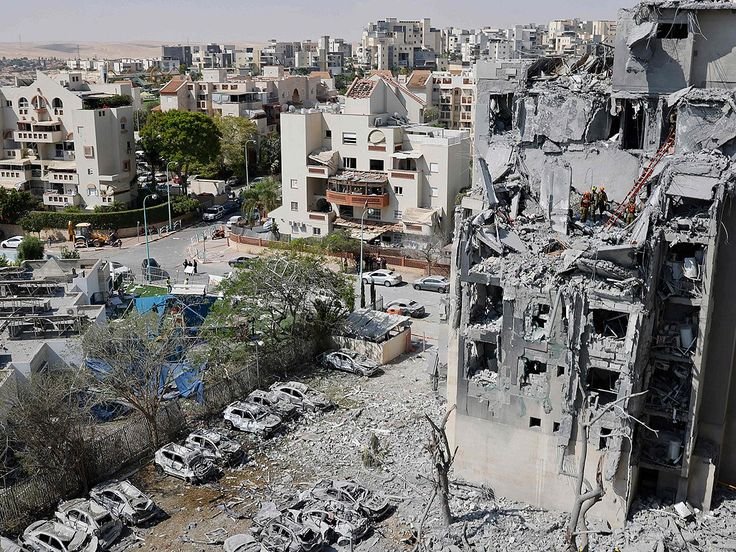
The conflict became more serious when the United States directly attacked Iranian nuclear facilities.
On June 22, 2025, US forces struck sites at Fordow, Natanz, and Isfahan.
Washington said the strikes were intended to damage Iran’s nuclear capabilities.
Tehran condemned the action.
Iran later launched missiles toward Al Udeid Air Base in Qatar, where American forces are stationed.
The Ceasefire
A ceasefire was announced on June 24, 2025.
This ended the immediate period of large scale direct fighting.
However, the ceasefire did not solve the major disagreements.
The nuclear issue remained.
US sanctions remained.
Iran Israel hostility remained.
Regional military networks remained.
Therefore, the ceasefire should be understood as a reduction in immediate fighting rather than a permanent political settlement.
Iran News: Why Direct War Is Different From Indirect Conflict
Indirect Conflict
For many years, Iran and Israel often competed through regional partners.
Iran supported groups such as Hezbollah and other regional actors.
Israel carried out strikes against Iranian linked targets in countries such as Syria.
This allowed both sides to compete while avoiding a full direct war.
Direct Conflict
Direct war changes the calculation.
When Iran launches missiles against Israel, Israel must respond to Iran itself.
When Israel attacks Iranian territory, Tehran faces pressure to answer.
When American forces are attacked, Washington may respond.
Therefore, direct conflict creates more opportunities for escalation.
The Escalation Ladder
A conflict can move through several stages.
First, there may be political threats.
Next, there may be cyber operations or covert attacks.
Then, limited military strikes can occur.
After that, larger missile attacks can follow.
Finally, outside countries can become involved.
The danger is that leaders may lose control over the pace of escalation.
Iran News: Iran’s Nuclear Policy
Civilian Nuclear Claims
Iran says its nuclear program is intended for peaceful purposes.
It points to electricity generation, medical research, and other civilian uses.
However, uranium enrichment has created international concern.
Enrichment and International Pressure
The ability to enrich uranium is not itself proof of a nuclear weapon program.
However, enrichment at higher levels can reduce the time needed to produce weapons grade material.
Therefore, governments and international inspectors closely monitor Iran’s nuclear activities.
The 2015 Agreement
The 2015 nuclear agreement created limits on Iran’s nuclear program.
It also established monitoring arrangements.
In exchange, Iran received sanctions relief.
However, the United States withdrew from the agreement in 2018.
Iran subsequently reduced compliance with several limits.
This created a major diplomatic crisis.
Why the Nuclear Issue Can Cause War
Israel has repeatedly warned that it will not allow Iran to obtain a nuclear weapon.
Iran argues that it has the right to peaceful nuclear technology.
The United States wants to prevent nuclear proliferation.
Therefore, the nuclear issue sits at the center of the conflict.
Diplomacy could reduce this risk.
Military attacks could instead produce another cycle of escalation.
Iran News: Iran’s Missile Strategy
Ballistic Missiles
Iran has developed a large ballistic missile force.
These missiles give Tehran the ability to threaten targets far beyond its borders.
They are therefore a key part of deterrence.
Cruise Missiles
Iran also has cruise missiles.
These systems can fly at lower altitudes than many ballistic missiles.
They can therefore present different challenges for air defenses.
Drones
Iran has invested heavily in drones.
They can be used for surveillance, reconnaissance, and attacks.
Because drones can be cheaper than manned aircraft, they can offer a cost-effective military option.
Why These Weapons Matter
Iran’s missile and drone capabilities allow it to threaten opponents without relying on traditional air superiority.
This does not mean Iran can defeat the United States or Israel in a conventional war.
Instead, these weapons raise the potential cost of attacking Iran.
That is the basic logic of deterrence.
Iran News: Iran and the United States

A Long History of Hostility
Relations between Iran and the United States have been hostile since the revolution.
The 1979 hostage crisis created deep mistrust.
Later disputes over Iran’s nuclear program increased tensions.
US sanctions have also placed major economic pressure on Iran.
American Military Power
The United States has significant military capabilities in the Middle East.
It maintains forces, bases, ships, aircraft, and missile defense systems.
This gives Washington the ability to respond quickly to threats.
However, it also creates potential targets during a conflict.
US Strategic Goals
American policy generally seeks to prevent Iran from developing nuclear weapons, protect American forces, support Israel, and maintain regional security.
At the same time, Washington has reasons to avoid a prolonged war.
A wider conflict could harm American personnel and increase energy prices.
Therefore, US policy often combines deterrence with diplomatic pressure.
Iran News: Iran’s Regional Partnerships
Hezbollah in Lebanon
Hezbollah is one of Iran’s most important regional partners.
It has significant political and military influence in Lebanon.
Its conflict with Israel creates a direct connection between the Lebanese front and the wider Iran Israel rivalry.
Iraqi Armed Groups
Iran has close relationships with several Iraqi armed groups.
Some have attacked American forces.
However, Iraq also maintains important ties with Washington.
Therefore, Iraqi leaders face pressure from both sides.
Houthis in Yemen
Iran has provided support to the Houthi movement.
The Houthis have developed missile and drone capabilities.
They have also attacked shipping in the Red Sea.
Consequently, the Yemen conflict has become part of the wider regional security picture.
Syria
Iran previously had a strong strategic presence in Syria through its support for the Assad government.
The fall of Bashar al Assad’s government in December 2024 changed that regional landscape.
Iran’s position in Syria became more difficult as a result.
This demonstrates how quickly regional power networks can change.
Conclusion
It is shaped by sovereignty, deterrence, ideology, geography, economic needs, regional partnerships, nuclear policy, and relations with major powers.
For readers following Iran News, this wider context helps explain why a political statement in Tehran can affect decisions in Jerusalem, Washington, Riyadh, Doha, Baghdad, and other capitals.
That challenge will continue to shape Iran News and the wider Middle East for years to come.
About The Author
